Tuesday 3rd November 2026
By inAfrika Newsroom
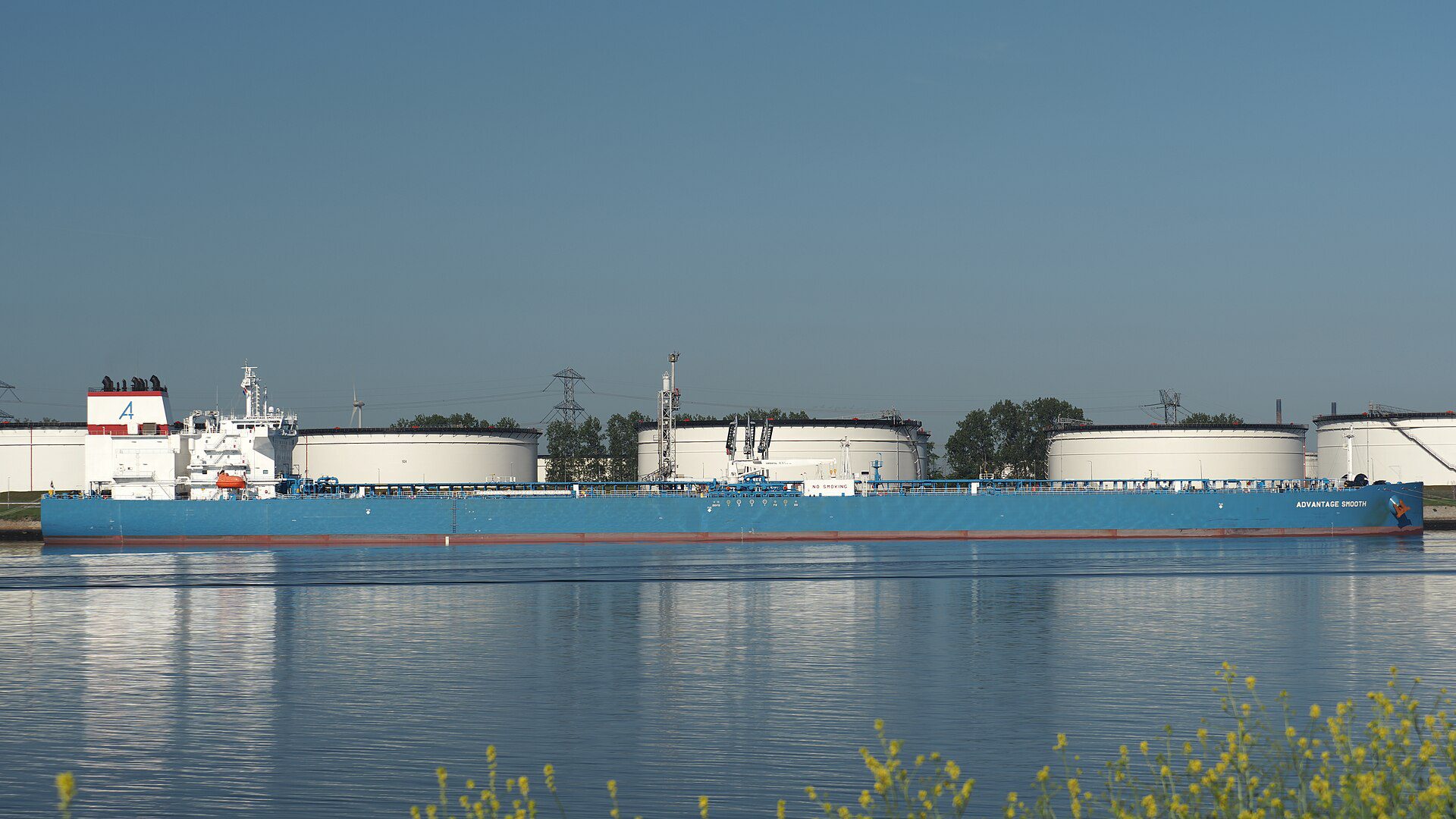
The World Bank’s latest commodity outlook points to sustained cost pressure for African importers, with global energy prices forecast to rise 32% in 2026 and food commodities expected to become more expensive through 2027.
The outlook released on 28 October forecasts a 23% rise in the overall commodity-price index this year, followed by a 7% decline in 2027. These are annual global benchmarks, rather than predictions of an identical change in every country’s retail prices.
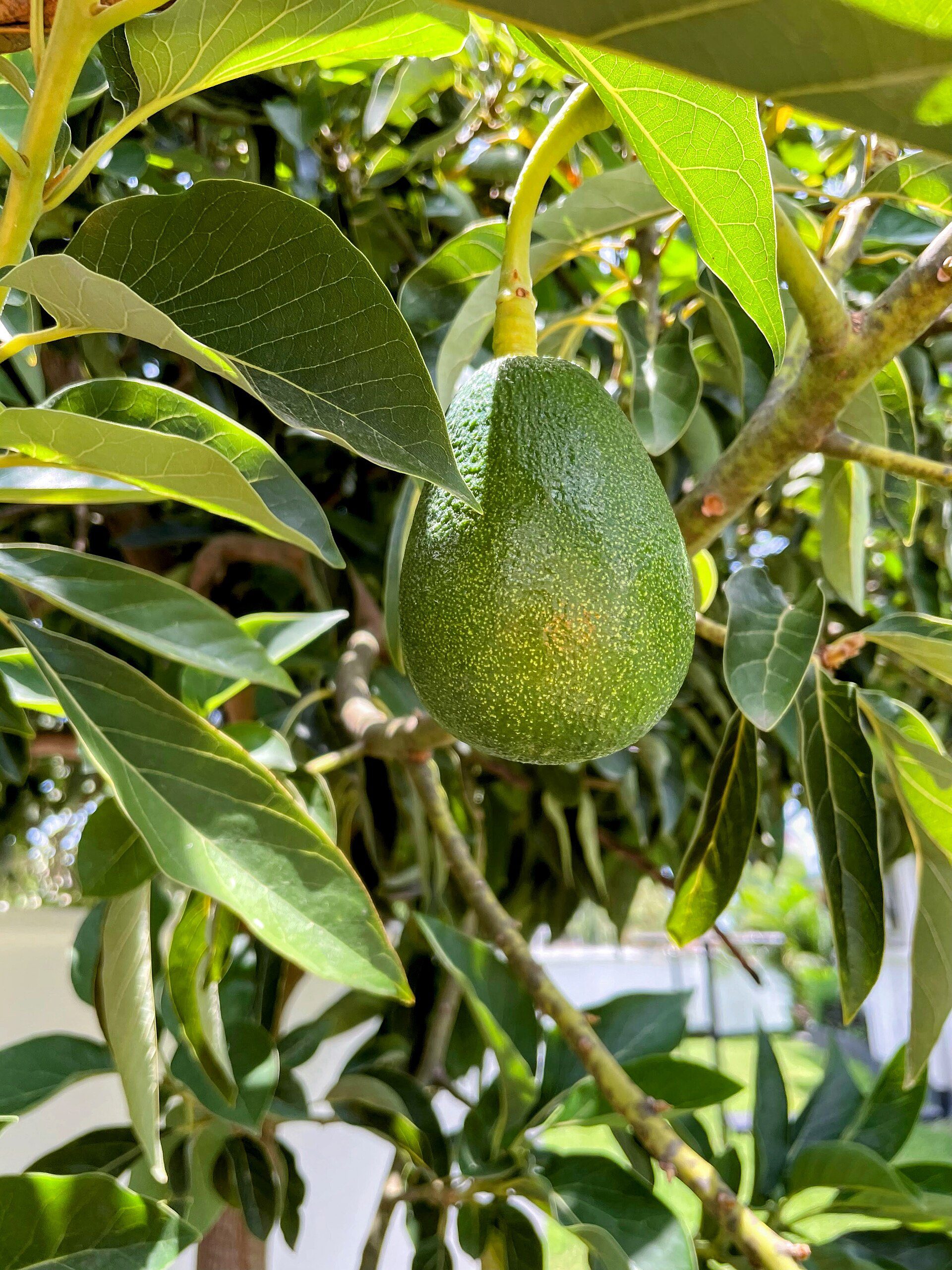
Food commodity prices are projected to rise about 10% in 2026 and another 7% next year, a cumulative increase of roughly 18%. Fertiliser prices are forecast to increase 14% this year before returning to their 2025 level in 2027.
The report also forecasts higher metals prices, including record levels for aluminium, copper and tin this year. That can support export receipts, while raising the cost of metal-intensive machinery and infrastructure; the benefit to a producer depends on output, operating costs and its sales terms.
The World Bank attributes the outlook to overlapping disruptions in energy supply and grain shipments, alongside weather risks. Its baseline assumes no major intensification of conflicts affecting commodity supplies, making the projected easing next year conditional rather than assured.
Have a verified news development or story? Send news submissions and supporting materials to news@inafrika.co.tz.

 Português
 English
 Kiswahili
 Français
 简体中文