Thursday 8th January 2026
By inAfrika Newsroom
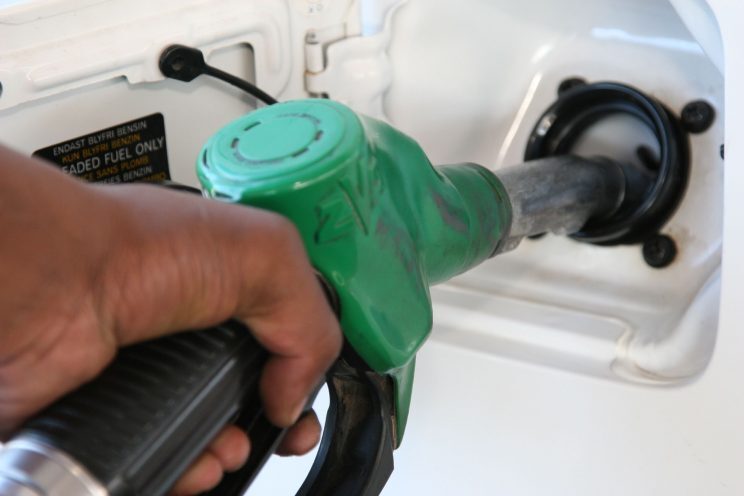
South Africa fuel price cut is set to kick in midweek, easing transport and household costs at the start of 2026. The Department of Mineral Resources and Energy has published the January adjustments, with both petrol grades and diesel moving lower from Wednesday.
Moreover, the cut lands after a volatile end to 2025 in oil markets and a rand that strengthened into year-end. As a result, pump prices should fall across inland and coastal zones, although final retail levels still depend on location and dealer margins.
The published adjustments show petrol 93 down by 62 cents per litre and petrol 95 down by 66 cents per litre. Meanwhile, diesel falls by about R1.50 per litre, and illuminating paraffin drops at wholesale level, which matters for low-income households that rely on it for cooking and heating.
However, not every fuel moves in the same direction. The maximum retail price of LPG rises in some areas, with a higher increase in the Western Cape than other regions. Consequently, households that rely on bottled gas may not feel the same relief as motorists.
In addition, the shift will be watched by freight firms and taxi operators, since fuel is a major operating cost. Therefore, the next question is whether transport prices soften, or whether operators use the cut to rebuild margins after a costly year.
Next steps: South Africa fuel price cut
From Wednesday, the new prices take effect nationwide. Meanwhile, consumer groups and taxi associations are expected to watch for any lag between the official adjustment and retail price boards. Also, Treasury and the Reserve Bank will track the impact on inflation expectations.
Why it matters
Fuel costs feed into food, commuting, and delivery prices. Therefore, a midweek reduction can lower inflation pressure, especially when households face school and work restart costs. Moreover, cheaper diesel can support logistics and exports by trimming transport overheads.

 Portuguese
  English
  Swahili
  French
  Chinese