Thursday 8th January 2026
By inAfrika Newsroom
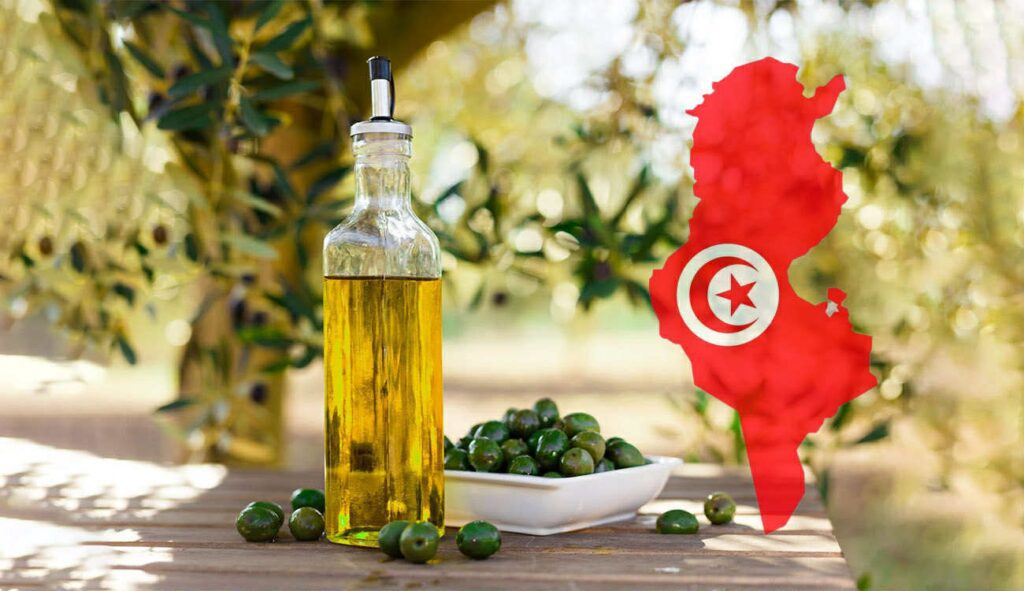
Tunisia olive oil harvest is poised for one of its strongest seasons in years, as producers expect a large 2025–26 crop after improved rainfall. As a result, Tunisia could overtake Italy to become the world’s second-largest olive oil producer, behind Spain.
Moreover, the timing matters. Global olive oil prices surged after drought hit production in parts of southern Europe, and prices reportedly reached very high levels per tonne in 2024–2025. Therefore, Tunisian exporters stand to gain from both higher volumes and firm prices.
Analysts cited in recent reporting put expected output around 380,000 to 400,000 tonnes for the season, up from an estimated 340,000 tonnes the prior season. Meanwhile, industry voices say production could reach 500,000 tonnes, which would be a record.
However, the upside is not purely agricultural. Tunisia’s economy remains under strain, with high public debt and weak growth. Consequently, foreign currency earnings from olive oil matter alongside tourism receipts and remittances.
Even so, the windfall has limits. Tunisia exports much of its olive oil in bulk, and buyers often rebrand it in overseas markets. As a result, Tunisia can lose value that would come from bottling, branding, and marketing at home.
In addition, producers still face climate risk. Rainfall can swing sharply from year to year, and heat stress can cut yields. Therefore, investors and policymakers are watching whether this strong season leads to longer-term upgrades in irrigation, quality control, and branding.
Next steps: Tunisia olive oil harvest
Exporters will begin to lock in contracts as harvest volumes firm up. Meanwhile, policymakers face renewed pressure to support value addition, including local bottling and traceability. Also, producer groups are expected to push for better branding so Tunisia captures more margin.
Why it matters
Olive oil is a major foreign-exchange earner for Tunisia. Therefore, a strong season can ease balance-of-payments pressure and support jobs in rural regions. Moreover, the story shows how climate shocks in one region can shift trade gains to another across Africa and Europe.

 English
  Swahili
  French
  Portuguese
  Chinese